1. Kathmandu Durbar Square – Historic Royal Palace Complex
Kathmandu Durbar Square is one of the most important UNESCO World Heritage Sites in Nepal and a major cultural attraction in Kathmandu Valley. Located in the heart of old Kathmandu, this historic square was once the royal palace of the Malla and Shah kings. The area is filled with ancient temples, courtyards, statues, and traditional Newari architecture that reflect Nepal’s rich history and craftsmanship. Major landmarks include Hanuman Dhoka Palace, Taleju Temple, and Kumari Ghar. Kathmandu Durbar Square is not just a historical monument but a living heritage where daily rituals, festivals, and cultural events still take place. Visitors can explore beautifully carved wooden windows, stone sculptures, and pagoda-style temples while learning about Nepal’s royal past. It is a must-visit destination for travelers interested in Nepal history, culture, and heritage tourism.
2. Patan Durbar Square – Finest Newari Art and Architecture
Patan Durbar Square, located in Lalitpur city, is widely known as the finest example of Newari art, metalwork, and architecture in Kathmandu Valley. This UNESCO World Heritage Site showcases an impressive collection of temples, courtyards, and palaces built mainly during the Malla period. The square is famous for its elegant stone carvings, bronze statues, and traditional pagoda and shikhara-style temples. Key attractions include the Krishna Mandir, Patan Museum, and Mul Chowk. Patan Durbar Square is especially popular among travelers interested in traditional craftsmanship, ancient architecture, and cultural tours in Nepal. The surrounding streets are full of local workshops where artisans still practice age-old metal and wood carving techniques, making the area a living museum of Nepalese culture.
3. Bhaktapur Durbar Square – Timeless Medieval City
Bhaktapur Durbar Square is the best-preserved medieval palace complex in Kathmandu Valley and a highlight of heritage tourism in Nepal. Located in Bhaktapur city, this UNESCO World Heritage Site feels like stepping back in time. The square is known for its wide open courtyards, red-brick buildings, and artistic temples such as the 55-Window Palace, Vatsala Temple, and Nyatapola Temple. Unlike Kathmandu and Patan, Bhaktapur has retained much of its traditional lifestyle, making it ideal for cultural exploration. Visitors can witness local pottery making, traditional farming, and authentic Newari festivals. Bhaktapur Durbar Square is perfect for photographers, history lovers, and travelers seeking an authentic cultural experience in Nepal.
4. Swayambhunath Stupa (Monkey Temple) – Iconic Hilltop Stupa
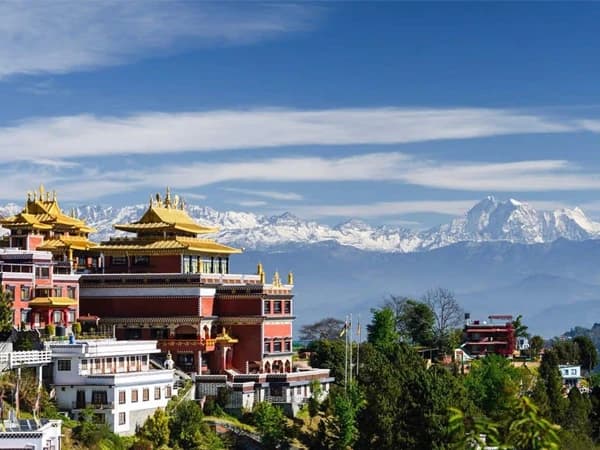
Swayambhunath Stupa, also known as the Monkey Temple, is one of the most sacred Buddhist sites in Nepal. Perched on a hilltop west of Kathmandu city, this ancient stupa offers breathtaking panoramic views of Kathmandu Valley. The stupa is believed to be over 2,000 years old and symbolizes peace, wisdom, and harmony. The all-seeing eyes of Buddha painted on the stupa are iconic symbols of Nepal. Swayambhunath is important for both Buddhism and Hinduism, attracting pilgrims and tourists alike. Prayer wheels, colorful prayer flags, monasteries, and playful monkeys add to its charm. It is a must-visit destination for travelers interested in spiritual tourism, Buddhist heritage, and scenic viewpoints in Kathmandu.
5. Boudhanath Stupa – One of the Largest Buddhist Stupas
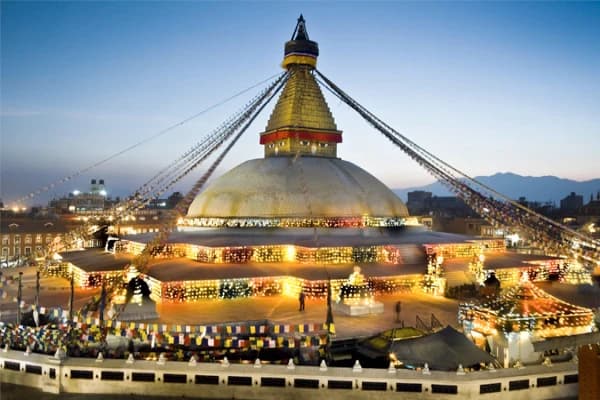
Boudhanath Stupa is one of the largest and most important Buddhist stupas in the world and a major center of Tibetan Buddhism in Nepal. Located in northeast Kathmandu, this UNESCO World Heritage Site is surrounded by monasteries, shops, and traditional Tibetan homes. The massive white dome and golden spire symbolize the path to enlightenment. Every day, monks and pilgrims walk clockwise around the stupa while chanting prayers and spinning prayer wheels. Boudhanath is especially lively during Buddhist festivals and evening prayer times. It is a peaceful yet vibrant place for meditation, cultural exploration, and photography. Boudhanath Stupa is a top attraction for travelers seeking spiritual experiences, Buddhist culture, and heritage tours in Kathmandu Valley.
6. Pashupatinath Temple – Nepal’s Most Sacred Hindu Temple
Pashupatinath Temple is the holiest Hindu temple in Nepal and one of the most important Lord Shiva temples in the world. Located on the banks of the sacred Bagmati River, this UNESCO World Heritage Site attracts thousands of Hindu pilgrims and spiritual seekers every day. The temple complex features a golden-roofed pagoda-style shrine, numerous smaller temples, ashrams, and open cremation ghats. Only Hindus are allowed inside the main temple, but visitors can observe rituals and ceremonies from the surrounding areas. Pashupatinath is especially significant during Maha Shivaratri, when devotees from Nepal and India gather in large numbers. The temple represents deep spiritual beliefs, life, death, and rebirth in Hindu culture, making it a key destination for religious tourism, spiritual tours, and cultural exploration in Kathmandu.
7. Changu Narayan Temple – Oldest Hindu Temple in Kathmandu Valley
Changu Narayan Temple is considered the oldest Hindu temple in Nepal, dating back to the 4th century. Situated on a hilltop near Bhaktapur, this UNESCO World Heritage Site is dedicated to Lord Vishnu. The temple is famous for its rich collection of stone carvings, inscriptions, and ancient statues that provide valuable insights into Nepal’s early history. The pagoda-style structure features beautifully carved wooden struts and metal artworks. Surrounded by a peaceful traditional village, Changu Narayan offers both cultural and scenic experiences. Visitors can explore the small museum, walk through local settlements, and enjoy views of the surrounding countryside. It is a must-visit site for travelers interested in ancient temples, Nepalese history, and heritage tourism in Kathmandu Valley.
8. Thamel – Lively Tourist Hub of Kathmandu
Thamel is the most popular tourist district in Kathmandu and the center of travel, shopping, and nightlife in Nepal. Located close to major heritage sites, Thamel is filled with hotels, restaurants, cafés, trekking shops, and souvenir stores. Travelers can find everything from traditional handicrafts to modern travel gear in this vibrant area. Thamel is also known for its international cuisine, live music bars, and cultural restaurants. It serves as the main starting point for trekking, tours, and adventure travel in Nepal. Despite its modern energy, Thamel still has small temples, hidden courtyards, and traditional streets that reflect local life. It is an ideal place for visitors to stay, relax, and connect with fellow travelers from around the world.
9. Asan Bazaar – Traditional Market and Cultural Crossroads
Asan Bazaar is one of the oldest and busiest traditional markets in Kathmandu and an important part of local daily life and culture. Located in the old city, Asan has been a trading center for centuries. The market is surrounded by temples, shrines, and historic buildings, making it both a commercial and cultural hub. Visitors can see vendors selling spices, vegetables, grains, flowers, and traditional goods. Asan Bazaar is also a key festival site where religious ceremonies and processions take place throughout the year. Walking through Asan offers an authentic glimpse into traditional Kathmandu lifestyle. It is a perfect destination for travelers interested in local markets, street photography, cultural walks, and heritage experiences in Nepal.
10. Hanuman Dhoka Palace – Former Royal Residence
Hanuman Dhoka Palace is a historic royal complex located inside Kathmandu Durbar Square. It served as the residence of Nepal’s Malla and Shah kings for centuries. The palace complex includes courtyards, museums, ceremonial halls, and ancient temples. Named after the statue of Lord Hanuman at its entrance, Hanuman Dhoka reflects Nepal’s royal history and political past. Visitors can explore the palace museum, see royal artifacts, and learn about traditional ceremonies and coronations. The architecture features detailed wood carvings, stone sculptures, and traditional Newari design. Hanuman Dhoka Palace is a key attraction for travelers interested in Nepal’s monarchy, historical palaces, and cultural heritage tours in Kathmandu.
11. Kumari Ghar (Living Goddess House) – Home of the Living Goddess
Kumari Ghar is a unique and sacred building located in Kathmandu Durbar Square and is home to Nepal’s Living Goddess, Kumari. The Kumari is believed to be the human incarnation of Goddess Taleju and is selected from the Newari community through an ancient tradition. The beautifully carved wooden windows and balconies of Kumari Ghar are excellent examples of traditional Newari architecture. Visitors gather in the courtyard to catch a rare glimpse of the Kumari during specific times and festivals. The tradition of the Living Goddess reflects Nepal’s deep spiritual beliefs and cultural identity. Kumari Ghar is one of the most fascinating cultural attractions in Kathmandu and is a must-visit site for travelers interested in unique traditions, religious culture, and heritage tourism in Nepal.
12. Garden of Dreams – Peaceful Garden Oasis in Kathmandu
The Garden of Dreams is a beautifully restored neoclassical garden located near Thamel in central Kathmandu. Built in the early 20th century, this historic garden offers a peaceful escape from the busy city streets. The garden features elegant pavilions, fountains, pergolas, and European-style landscaping. Surrounded by high walls, it creates a calm and relaxing atmosphere ideal for reading, resting, or enjoying nature. The Garden of Dreams also has a café and hosts occasional cultural events. It is popular among both tourists and locals looking for quiet time. This garden is a perfect stop for travelers interested in relaxation, photography, and heritage gardens in Kathmandu Valley.
13. Patan Museum – Finest Museum of Sacred Art
Patan Museum is widely regarded as one of the best museums in South Asia and a highlight of cultural tourism in Nepal. Located within Patan Durbar Square, the museum showcases a rich collection of Hindu and Buddhist art, statues, and religious artifacts. The exhibits focus on Nepal’s traditional metalwork, bronze sculptures, and sacred iconography. Informative displays explain the history, symbolism, and craftsmanship behind each artifact in simple language. The museum itself is housed in a beautifully restored palace building, blending history with modern presentation. Patan Museum is ideal for visitors who want a deeper understanding of Nepalese art, religion, and cultural heritage.
14. Bhaktapur Pottery Square – Traditional Pottery Making
Bhaktapur Pottery Square is a lively cultural spot where visitors can see traditional pottery-making techniques that have been practiced for generations. Located in Bhaktapur city, this open square is filled with spinning wheels, clay pots drying in the sun, and skilled local artisans at work. The pottery is made using simple tools and natural clay, reflecting sustainable traditional practices. Visitors can watch, photograph, and even try making pottery themselves. The square offers an authentic cultural experience and insight into everyday life in Bhaktapur. It is a popular attraction for travelers interested in local craftsmanship, cultural experiences, and traditional art in Nepal.
15. Nagarkot Viewpoint – Sunrise and Himalayan Views
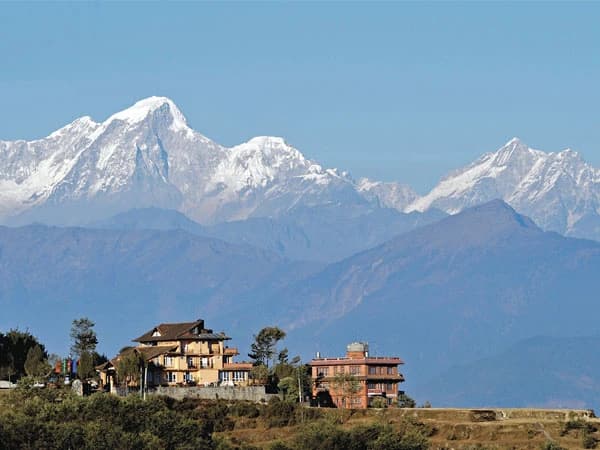
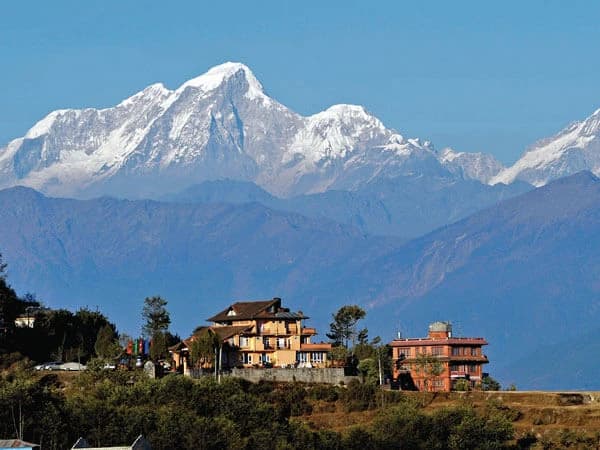
Nagarkot Viewpoint is one of the most famous viewpoints near Kathmandu, known for its stunning sunrise and Himalayan mountain views. Located about 32 kilometers east of the city, Nagarkot offers clear views of snow-capped peaks on good weather days, including Mount Everest in the distance. It is a popular destination for short trips, photography, and nature lovers. The area also has walking trails, resorts, and peaceful surroundings away from city noise. Nagarkot is ideal for travelers seeking scenic beauty, sunrise tours, and nature experiences near Kathmandu Valley.
16. Kirtipur Old Town – Historic Hill Town of Newari Culture
Kirtipur Old Town is a historic hilltop settlement located southwest of Kathmandu city and is known for its strong Newari culture and traditions. This ancient town has narrow stone-paved streets, traditional brick houses, and beautifully carved wooden windows. Kirtipur played an important role in Nepal’s history and still preserves its old-world charm. Major attractions include Bagh Bhairab Temple, Uma Maheshwar Temple, and traditional community courtyards. The town offers panoramic views of Kathmandu Valley and a peaceful atmosphere away from busy tourist areas. Kirtipur is ideal for cultural walks, photography, and exploring authentic local life. It is a perfect destination for travelers interested in heritage towns, traditional culture, and historical sites in Kathmandu Valley.
17. Dakshinkali Temple – Sacred Temple of Goddess Kali
Dakshinkali Temple is one of the most important Hindu temples in Kathmandu Valley and is dedicated to Goddess Kali, the fierce form of Goddess Durga. Located about 22 kilometers south of Kathmandu, the temple is surrounded by forests and hills, creating a spiritual and natural environment. Devotees visit Dakshinkali especially on Tuesdays and Saturdays to offer prayers and seek blessings. The temple is deeply connected to traditional beliefs and rituals in Nepal. Besides religious importance, the area offers scenic beauty and a calm atmosphere. Dakshinkali Temple is a significant destination for religious tourism, spiritual travel, and cultural experiences near Kathmandu.
18. Chobhar Gorge – Natural Gorge with Legends and Views
Chobhar Gorge is a natural gorge located on the southern edge of Kathmandu Valley and is famous for its geological significance and ancient legends. According to mythology, the gorge was created to drain water from the valley, making it suitable for settlement. The Bagmati River flows through this narrow gorge, creating a dramatic landscape. Nearby attractions include caves, temples, and viewpoints offering panoramic views of the valley. Chobhar Gorge is a peaceful place for short hikes, sightseeing, and photography. It is ideal for travelers interested in nature spots, mythological sites, and scenic places near Kathmandu Valley.
19. Seto Machindranath Temple – Rain God of Kathmandu
Seto Machindranath Temple is an important religious site in Kathmandu and is dedicated to Seto Machindranath, the rain god worshipped by both Hindus and Buddhists. Located near Indra Chowk, this temple plays a key role in local festivals and rituals. The annual Seto Machindranath chariot festival is one of the oldest celebrations in the valley and reflects harmony between different religious communities. The temple’s architecture is simple yet culturally significant, surrounded by busy traditional streets. Visiting Seto Machindranath Temple offers insight into Nepal’s living traditions and spiritual beliefs. It is a meaningful stop for travelers interested in local festivals, religious harmony, and cultural heritage in Kathmandu.
20. Patan Golden Temple (Hiranya Varna Mahavihar) – Ornate Buddhist Monastery
Patan Golden Temple, also known as Hiranya Varna Mahavihar, is a beautifully decorated Buddhist monastery located in Patan city. The temple is famous for its golden façade, intricate carvings, and peaceful courtyard. Built in the 12th century, it is an active monastery where monks perform daily rituals and prayers. The temple reflects traditional Newari Buddhist architecture and craftsmanship. Visitors can see prayer wheels, statues, and sacred objects while observing local religious practices. Patan Golden Temple is an important site for Buddhist culture, spiritual tourism, and heritage exploration in Kathmandu Valley.
21. Festivals of Kathmandu Valley – Living Celebrations of Culture
Festivals are an essential part of life in Kathmandu Valley and reflect its rich cultural and religious diversity. Major festivals such as Indra Jatra, Bisket Jatra, Dashain, Tihar, and Holi are celebrated with great enthusiasm throughout the year. These festivals feature colorful processions, traditional music, masked dances, chariot parades, and religious rituals. Both Hindus and Buddhists actively participate, showing strong social harmony. During festivals, ancient city squares come alive with energy and devotion. Visitors can witness living traditions that have been practiced for centuries. Experiencing these festivals offers deep insight into local beliefs, history, and daily life. Festivals of Kathmandu Valley are a major attraction for cultural tourism, festival tours, and authentic travel experiences in Nepal.
22. Newari Cuisine – Traditional Food Culture of Kathmandu Valley
Newari cuisine is one of the richest and most unique food traditions in Nepal and is closely linked to the culture of Kathmandu Valley. Popular dishes include yomari, bara (wo), choila, chatamari, and kwati. These foods are prepared using traditional recipes and locally sourced ingredients. Newari meals are often enjoyed during festivals, family gatherings, and special ceremonies. The cuisine is known for its bold flavors, spices, and variety of textures. Many traditional Newari restaurants in Kathmandu, Patan, and Bhaktapur serve authentic dishes in cultural settings. Exploring Newari cuisine is a must for travelers interested in local food, cultural dining, and traditional Nepali gastronomy.
23. Traditional Wood Carvings – Master Craftsmanship of Nepal
Traditional wood carving is one of the most important art forms in Kathmandu Valley and is a symbol of Newari craftsmanship. Intricately carved wooden windows, doors, struts, and temple pillars can be seen throughout historic cities and heritage sites. These carvings often depict gods, goddesses, mythical creatures, and floral patterns. The skill has been passed down through generations of local artisans. Even today, workshops in Patan and Bhaktapur continue this ancient tradition. Traditional wood carvings add beauty and cultural value to temples and old houses. They are a major attraction for travelers interested in Nepalese art, architecture, and cultural heritage tourism.
24. Spiritual and Yoga Retreats – Wellness in Kathmandu Valley
Kathmandu Valley is also a growing destination for spiritual retreats, yoga, and wellness tourism. Many meditation centers, monasteries, and yoga schools offer programs focused on mindfulness, healing, and inner peace. These retreats combine ancient spiritual practices with modern wellness approaches. Visitors can join yoga sessions, meditation courses, and spiritual teachings guided by experienced teachers. The peaceful environment, sacred sites, and Himalayan influence create a perfect setting for relaxation and self-discovery. Spiritual and yoga retreats in Kathmandu Valley attract travelers seeking mental wellness, spiritual growth, and holistic travel experiences in Nepal.
25. Living Culture and Daily Rituals – Heritage in Everyday Life
Kathmandu Valley is unique because its culture is not limited to museums—it is lived every day. Daily rituals such as morning prayers, temple offerings, spinning prayer wheels, and lighting oil lamps are part of everyday life. Local people actively maintain traditions through festivals, community gatherings, and religious practices. Ancient customs continue alongside modern lifestyles, creating a special cultural balance. Visitors can observe rituals in temples, courtyards, and markets throughout the day. This living culture makes Kathmandu Valley a truly immersive destination. It is ideal for travelers seeking authentic cultural experiences, living heritage, and meaningful travel in Nepal.
Main Highlighted Tour Packages in Nepal



-(5).webp&w=1200&q=75&dpl=dpl_CtNAyRzUAwPdWKDCFxYk5p2VryPh)